Leh, Ladakh ·
Shooting in Ladakh: altitude, light and cold
Thin air, hard light and roads that decide your schedule. What to plan before a shoot in Ladakh.
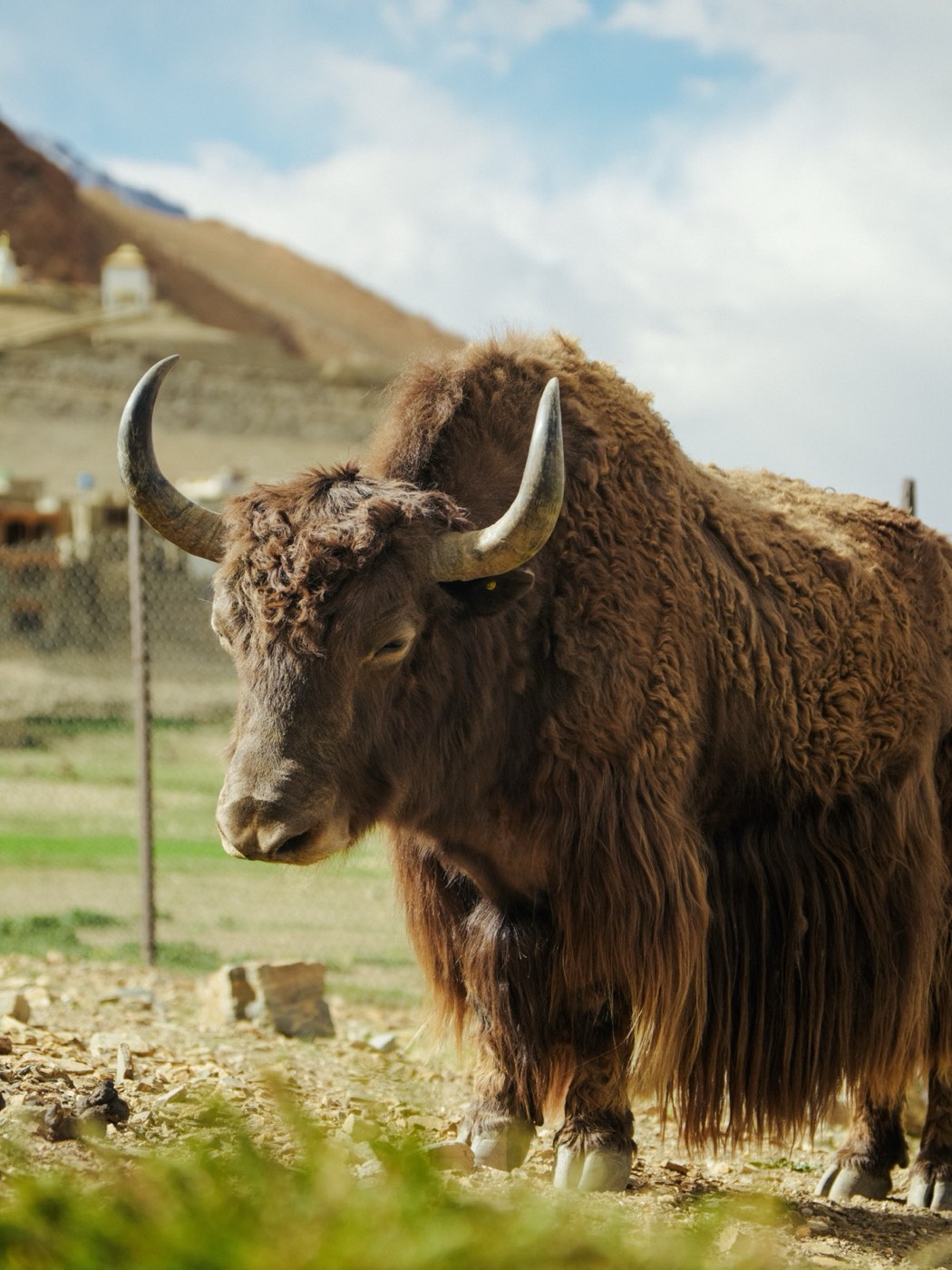
Ladakh gives you some of the most dramatic landscapes in the country: high desert, monasteries on ridges, salt-white lakes and roads that climb through passes above 5,000 metres. It also asks more of a crew than almost anywhere else in India. Most of what goes wrong on a Ladakh shoot is predictable, which means most of it can be planned for.
Acclimatise before you work
Leh sits at about 3,500 metres, and most people flying in from the plains feel it. The usual advice is to rest for the first 48 hours before doing anything strenuous, and to go higher gradually after that. Build those days into the budget. A crew that starts shooting on arrival tends to lose far more time to headaches and exhaustion later in the week.
Two days of rest is cheaper than a sick crew
Plan the schedule so the highest locations, such as the big passes and the high lakes, come later in the shoot, once everyone has adjusted. Carry water everywhere and keep the days shorter than you would at sea level.
Permits
Many of the places people come to Ladakh to film, including Nubra Valley, Pangong Tso and Tso Moriri, are protected areas that need a permit for visitors. Commercial filming can need separate permission on top of that. The rules and the process change from time to time, so check with the Ladakh administration well before the shoot rather than relying on what worked for someone last year. Leave room in the schedule for paperwork, and carry several printed copies of every permit.
Working with the light
The air at altitude is clean and thin, and the light is correspondingly hard. Midday sun flattens the landscape and blows out the sky. The best hours are early morning and the late afternoon, and the gap between them is long. Use that midday stretch to travel, to shoot interiors or to rest.
Carry ND filters. At altitude you will often want to hold a wide aperture or a cinematic shutter angle in light that is far brighter than you expect, and the UV is strong enough to affect both your images and your skin.
Cold, dust and batteries
Even in summer the nights are cold, and above the passes the temperature can drop below freezing at any time of year. Batteries drain fast in the cold, so keep spares warm in an inside pocket and rotate them. When you bring a cold camera into a warm room, seal it in a bag first and let it warm up slowly, or condensation will form inside the lens.
Dust gets into everything on the roads. Change lenses inside a vehicle or with your back to the wind, and carry a blower and plenty of cleaning cloths.
Roads decide the schedule
Road conditions, weather and convoys on the high passes can add hours to a drive with no warning. Plan generous travel time between locations, start early, and keep a list of nearby backup locations for the days the road says no.
We have filmed across Ladakh, from the monasteries around Leh to convoys on the high desert roads. If you are planning a shoot there, send us your dates and locations and we will help you build a schedule that the altitude and the roads can actually keep.